From Epic Quests to High-Octane Action: The Evolution of RPG and Shooting Games
The Growth of RPG Games
Role-playing games (RPGs) have transformed from simple text-based adventures to complex worlds filled with rich narratives. They allow players to step into the shoes of various characters and engage in epic quests. The allure of RPGs lies in their immersive storytelling and character development.
In the early days, RPGs like Dungeons & Dragons created the foundation for what would become a massive genre. Today, titles such as The Witcher and Final Fantasy showcase the evolution of graphics, gameplay mechanics, and intricate plots that keep players engaged for hours.
High-Octane Action in Shooting Games
Shooting games have also experienced a dramatic shift over the years. From early arcade shooters to today’s realistic military simulations, the genre has broadened its appeal. Games like Call of Duty and Battlefield have not just focused on shooting mechanics, but have integrated storytelling elements, much like RPGs, to create a completely new gaming experience.
As players seek out fast-paced action, the development of hybrid games, which combine RPG elements with shooting mechanics, has gained momentum. These games offer customizable characters and narrative depth alongside adrenaline-pumping action.
Connecting RPG Strategies with Shooting Game Mechanics
Interestingly, many players now look for strategic depth in their gameplay. In RPGs, **strategizing** character growth and combat approaches is vital. Similarly, shooting games are increasingly incorporating tactical elements that require players to devise plans, just as they would in RPG settings.
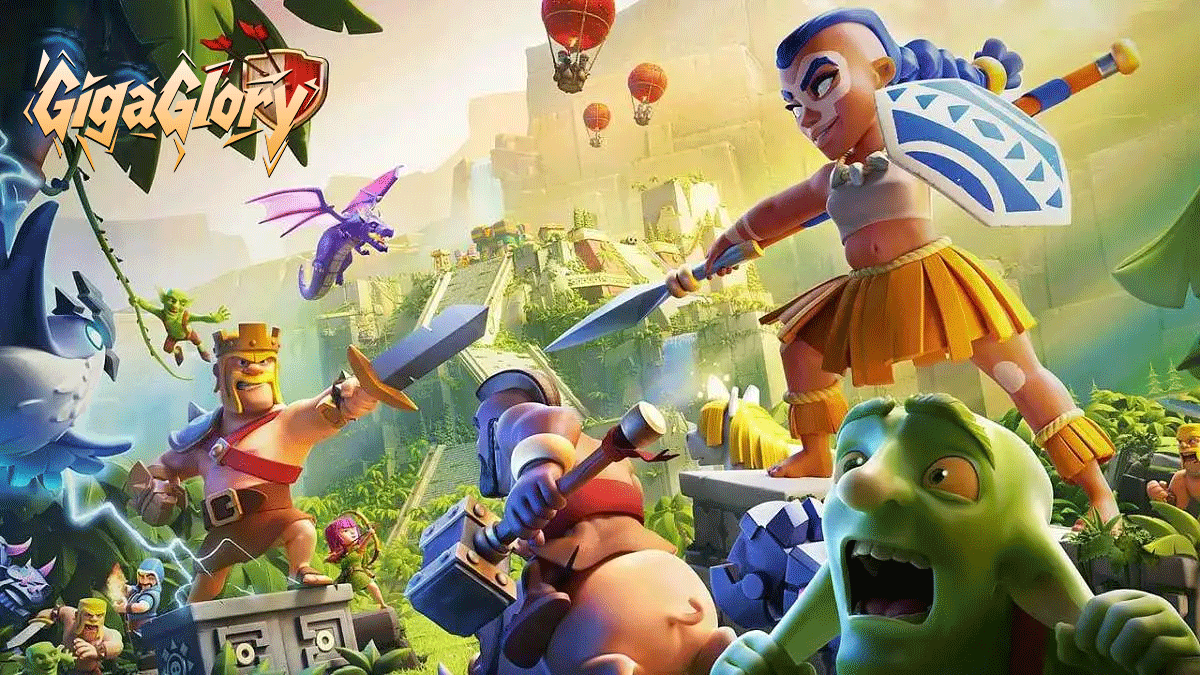
A great example is the Clash of Clans troop strategy guide. It illustrates how combining different troop types can lead to victory, echoing the strategic elements found in RPGs. Players must think critically about troop placement, attack patterns, and resource management.
Table: Key Points From RPGs and Shooting Games
| Feature | RPG Games | Shooting Games |
|---|---|---|
| Story Depth | High, with character arcs | Moderate, often situational |
| Character Development | Extensive customization | Limited, often predefined |
| Strategy Requirement | High, with tactical choices | Increasing, especially in team games |
| Gameplay Style | Free-roaming and exploration | Direct action and competitive |
Can Potato Flales Go Bad? Exploring Game Mechanics
This leads to an interesting question: Can potato flales go bad? While the term might sound odd, it’s a playful way of looking at what happens when game mechanics do not function as intended or turn stale. Just like a character in an RPG grows stale if not leveled up, game mechanics can feel repetitive or neglected over time. Developers must innovate and keep the gameplay fresh to attract and retain players.
Conclusion
The evolution of RPG and shooting games showcases the potential for cross-genre exploration. As both genres continue to borrow elements from each other, players enjoy a richer gaming experience that combines **storytelling, strategy,** and **high-octane action**. The blend of immersive narratives from RPGs with the adrenaline of shooting games not only keeps the community engaged but also continually reshapes the landscape of gaming. Considering the trends, it's clear that the future holds more dynamic and integrated gameplay experiences waiting to be discovered.